What Is Fiberglass?
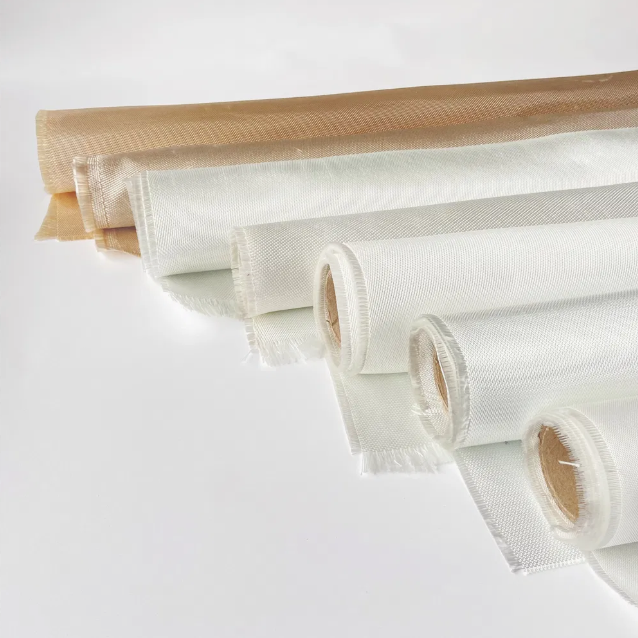
Fiberglass, also known as glass fiber, is a reinforced material made from extremely fine glass strands. These strands can be woven into fiberglass cloth, arranged into fiberglass mat, or combined with resin to form fiberglass reinforced plastic, commonly known as FRP.
Because fiberglass is lightweight, strong, corrosion resistant, electrically insulating, and heat resistant, it is widely used in construction, insulation, marine, automotive, aerospace, electrical, and industrial composite applications.
How Is Fiberglass Made?
Raw Material Melting
Fiberglass production starts with raw materials such as silica sand, limestone, clay, and other minerals. These materials are melted in a high-temperature furnace to form molten glass.
Fiber Formation
The molten glass is pushed through tiny holes called bushings to create fine glass filaments. These filaments are cooled, coated with a sizing or binder, and collected for further processing.
Weaving, Chopping, or Finishing
Depending on the final application, fiberglass filaments can be woven into fiberglass cloth, chopped into short strands, made into fiberglass mat, twisted into fiberglass yarn, or combined with resin to produce composite parts.
Main Types of Fiberglass
Types by Glass Composition
E-glass: The most common fiberglass type. It offers good electrical insulation, corrosion resistance, and balanced strength. It is widely used for fiberglass cloth, insulation, laminates, printed circuit boards, marine composites, and industrial fabrics.
C-glass: A chemical-resistant fiberglass type used in applications exposed to acids, corrosive gases, chemical tanks, and pipe linings.
S-glass: A high-strength fiberglass made for structural and high-performance composite applications, including aerospace, military, sports equipment, and advanced industrial parts.
AR-glass: Alkali-resistant fiberglass containing zirconia. It is commonly used to reinforce cement, concrete, and glass reinforced concrete products.
ECR-glass: A corrosion-resistant version of E-glass with improved acid resistance, often used for pipes, storage tanks, and industrial environments.
D-glass: A fiberglass type with excellent dielectric properties, suitable for specialized electrical and electronic applications.
A-glass: A high-alkali glass fiber with lower chemical durability, generally used in low-cost or limited industrial applications.
Types by Product Form
Fiberglass Cloth: Woven from fiberglass yarns and used for composites, insulation, fireproof materials, printed circuit boards, and industrial protection.
Fiberglass Mat: A non-woven material made from randomly oriented fibers, commonly used in boat hulls, automotive panels, roofing sheets, and low-cost composite laminates.
Fiberglass Roving: Continuous fiberglass strands wound into rolls, suitable for pultrusion, filament winding, spray-up, and reinforced composite production.
Fiberglass Yarn: Twisted continuous filaments used for weaving fiberglass fabrics, tapes, sleeves, and electrical insulation materials.
Fiberglass Chopped Strand: Short glass fiber lengths used to reinforce thermoplastics, injection molding compounds, and engineering plastics.
Fiberglass Mesh: Open-grid woven fiberglass used for wall reinforcement, waterproofing, plastering, stone backing, and construction reinforcement.
Fiberglass Tape: Narrow woven fiberglass fabric rolls used for pipe wrapping, cable insulation, sealing, repair work, and thermal protection.
Types by Coating or Treatment
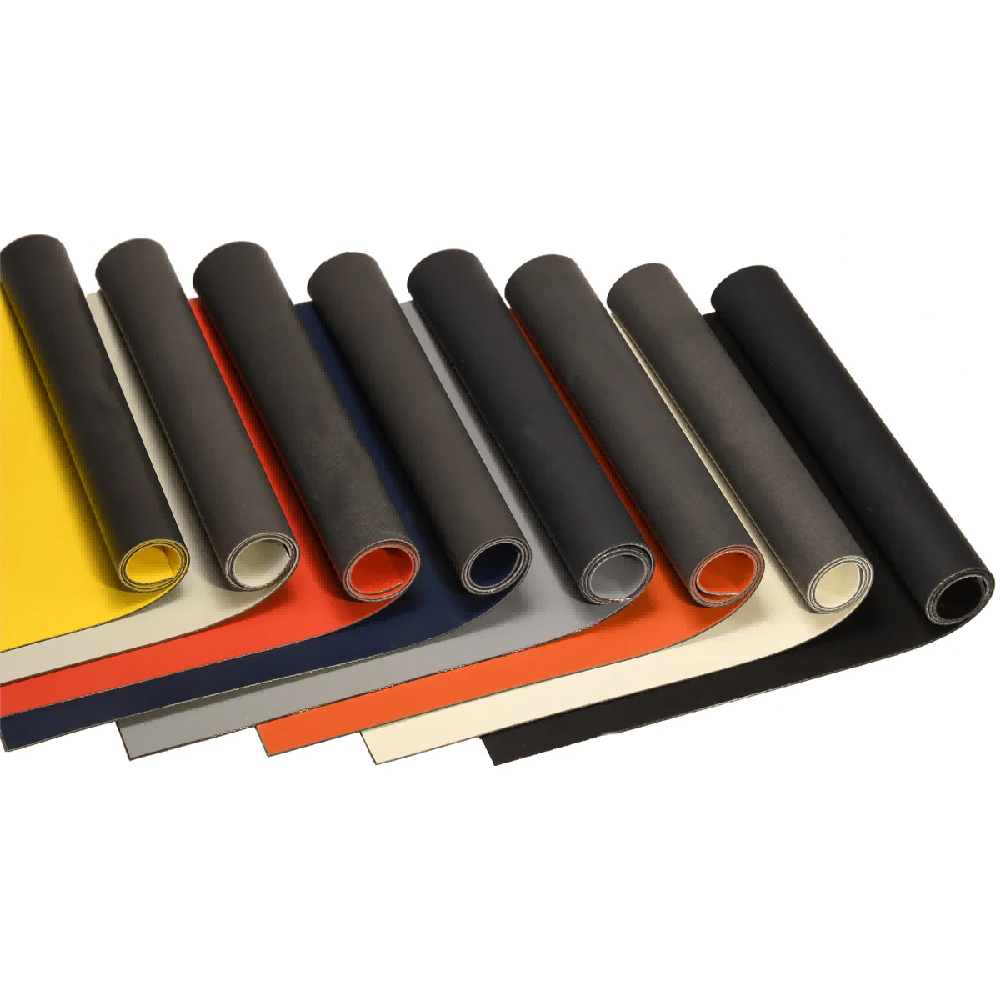
Silicone Coated Fiberglass: Used for high heat, flame, weather, and abrasion resistance.
PTFE Coated Fiberglass: Used for non-stick, chemical-resistant, and heat-resistant applications.
Vermiculite or Graphite Coated Fiberglass: Used for extreme heat protection.
Aluminum Foil Laminated Fiberglass: Used for reflective insulation and radiant heat protection.
Dyed or Colored Fiberglass Cloth: Used for identification, aesthetics, and customized industrial applications.
Fiberglass Types Comparison
| Type | Main Features | Temperature Resistance | Tensile Strength | Chemical Resistance | Typical Applications |
| E-glass | Standard fiberglass with good strength and insulation | About 540°C | ★★★ | ★★★ | General composites, fiberglass cloth, circuit boards, marine use |
| C-glass | Excellent acid and chemical resistance | About 480°C | ★★ | ★★★★ | Chemical storage tanks, pipes, corrosion-resistant linings |
| S-glass | High strength and high modulus for structural use | About 700°C | ★★★★★ | ★★★ | Aerospace, defense, high-performance sports equipment |
| AR-glass | Alkali-resistant glass fiber containing zirconium | About 540°C | ★★★ | ★★★★ | Concrete reinforcement, GRC, construction materials |
| ECR-glass | Corrosion-resistant E-glass with improved acid durability | About 600°C | ★★★★ | ★★★★★ | Pipes, tanks, corrosive industrial environments |
| D-glass | Excellent dielectric and electrical insulation properties | About 480°C | ★★ | ★★★ | Electrical and electronic applications |
| Silicone Coated Fiberglass | Heat, flame, abrasion, and weather resistant | About 260–550°C | ★★★ | ★★★★ | Fire blankets, welding protection, expansion joints |
| PTFE Coated Fiberglass | Non-stick, chemical resistant, and heat resistant | About 260°C | ★★ | ★★★★★ | Conveyor belts, heat sealing, non-stick liners |
| Aluminum Foil Fiberglass | Reflective and thermally insulating | About 500°C | ★★★ | ★★★★ | Duct insulation, automotive heat shields, radiant barriers |
Key Properties of Fiberglass
Lightweight and Strong
Fiberglass has a high strength-to-weight ratio. It is much lighter than many metals while still providing reliable mechanical strength for composite parts, panels, pipes, tanks, and structural reinforcement.
Heat and Fire Resistance
Fiberglass does not burn easily and can withstand high temperatures depending on the glass type, coating, and application environment. This makes it suitable for insulation, fire blankets, welding protection, and thermal barriers.
Corrosion Resistance
Unlike metal, fiberglass does not rust or rot. It performs well in humid, marine, and many chemical environments, especially when used with suitable resins or corrosion-resistant coatings.
Electrical Insulation
E-glass fiberglass has strong electrical insulation performance, which makes it useful in printed circuit boards, electrical insulation tapes, sleeves, and electronic components.
Dimensional Stability
Fiberglass maintains good shape stability under heat, moisture, and mechanical stress. This is one reason it is used in construction materials, industrial fabrics, and composite reinforcement.
Common Applications of Fiberglass
Construction and Building Materials
Fiberglass is used in roofing sheets, wall panels, insulation, mesh, concrete reinforcement, waterproofing layers, and fire-resistant building materials.
Marine Industry
Fiberglass is widely used for boat hulls, decks, panels, and marine composite parts because it is lightweight, durable, and resistant to saltwater corrosion.
Automotive and Transportation
Fiberglass helps reduce vehicle weight while maintaining strength. It is used in body panels, insulation parts, reinforced plastics, heat shields, and interior composite components.
Aerospace and High-Performance Composites
S-glass and other high-performance fiberglass materials are used in aerospace, defense, sports equipment, and advanced composite structures requiring strength and low weight.
Electrical and Electronics
Fiberglass is used in printed circuit boards, electrical insulation, cable protection, insulation sleeves, and high-temperature electrical components.
Industrial Protection
Coated fiberglass fabrics are used for welding blankets, fire curtains, expansion joints, removable insulation covers, conveyor belts, and thermal protection products.
Advantages of Fiberglass
High strength-to-weight ratio
Good corrosion resistance
Excellent electrical insulation
Good heat and fire resistance
Flexible product forms, including cloth, mat, roving, yarn, mesh, and tape
Can be coated with silicone, PTFE, aluminum foil, graphite, or other functional layers
Cost-effective compared with carbon fiber and many metal materials
Long service life with low maintenance requirements
Limitations of Fiberglass
Can be brittle under strong impact
May cause skin irritation during cutting or handling
Recycling can be difficult when fiberglass is combined with resin
Not always suitable for heavy structural loads where steel or carbon fiber is required
Performance depends on glass type, resin system, coating, thickness, and working environment
Fiberglass vs Carbon Fiber
Cost
Fiberglass is much more affordable than carbon fiber, which makes it more suitable for mass production, construction materials, general industrial products, and cost-sensitive composite applications.
Strength and Stiffness
Carbon fiber is usually stronger and stiffer than fiberglass, but fiberglass offers better affordability, easier processing, and enough strength for many industrial and commercial applications.
Application Choice
For high-end aerospace, racing, and ultra-lightweight structures, carbon fiber may be preferred. For insulation, marine parts, FRP panels, fiberglass cloth, construction reinforcement, and industrial protection, fiberglass is often the more practical choice.
Is Fiberglass Recyclable?
Fiberglass recycling is challenging, especially when glass fibers are bonded with resin in composite products. However, mechanical grinding, thermal recycling, and reuse in cement or filler materials are being developed to reduce waste and improve material recovery.
Safety Tips for Handling Fiberglass
Wear gloves when handling fiberglass cloth, mat, or cut materials.
Use a mask or respirator when cutting, grinding, or sanding fiberglass.
Avoid direct skin contact with fiberglass dust or loose fibers.
Work in a well-ventilated area.
Store fiberglass materials in a dry and clean environment.
Wash hands and exposed skin after handling fiberglass products.
How to Choose the Right Fiberglass Material
The right fiberglass material depends on the application, working temperature, chemical exposure, mechanical strength requirements, insulation needs, and processing method.
For general composite reinforcement, E-glass fiberglass cloth or mat is commonly used.
For chemical environments, C-glass or ECR-glass may be more suitable.
For cement or concrete reinforcement, AR-glass is recommended.
For high-strength applications, S-glass can provide better mechanical performance.
For heat and fire protection, silicone coated fiberglass, aluminum foil fiberglass, or vermiculite coated fiberglass may be selected.
For non-stick and chemical-resistant surfaces, PTFE coated fiberglass is commonly used.
Future Trends in Fiberglass Technology
Fiberglass technology continues to develop toward higher strength, better heat resistance, improved resin compatibility, more sustainable production, and easier recycling. It will remain an important material for wind energy, electric vehicles, lightweight transportation, construction, marine composites, and industrial protection.
Frequently Asked Questions About Fiberglass
What is fiberglass made of?
Fiberglass is made from fine glass fibers produced from silica-based raw materials. These fibers can be woven, chopped, or combined with resin to create reinforced composite materials.
Is fiberglass the same as glass fiber?
Yes. Fiberglass and glass fiber are closely related terms. Fiberglass usually refers to the material or product form, while glass fiber refers to the fine glass filaments used to make it.
What is fiberglass cloth used for?
Fiberglass cloth is used for composite reinforcement, insulation, fire protection, printed circuit boards, boat building, automotive parts, and industrial thermal protection.
Is fiberglass heat resistant?
Yes. Fiberglass has good heat resistance, but the exact temperature limit depends on the glass type, fabric structure, coating, resin system, and working environment.
Is fiberglass waterproof?
Glass fiber itself does not absorb water easily, and fiberglass composites can offer good water resistance when combined with suitable resin. This is why fiberglass is widely used in marine and outdoor applications.
Is fiberglass better than carbon fiber?
Fiberglass is more cost-effective and easier to use for many industrial applications, while carbon fiber is stronger, stiffer, and lighter. The better choice depends on budget, strength requirements, weight requirements, and end-use conditions.
Conclusion
Fiberglass is one of the most widely used industrial materials because it combines strength, light weight, corrosion resistance, heat resistance, electrical insulation, and cost efficiency. From fiberglass cloth and fiberglass mat to coated fiberglass fabrics and FRP composites, it supports applications in construction, marine, transportation, electronics, insulation, and industrial protection.
For buyers, engineers, and manufacturers, choosing the right fiberglass type depends on the required strength, temperature resistance, chemical resistance, coating, thickness, and final application.

 English
 العربية
 Français
 Русский
 Español
 Português
 Deutsch
 italiano
 日本語
日本語 한국어
한국어 Nederlands
 Tiếng Việt
 ไทย
ไทย Polski
 Türkçe
 Bahasa Melayu
 Filipino
 Bahasa Indonesia
 magyar
 Română
 Čeština
 қазақ
қазақ Српски
 हिन्दी
 فارسی
فارسی Kiswahili
 Slovenčina
 Slovenščina
 Norsk
Norsk Svenska
 українська
 Ελληνικά
 Suomi
Suomi Հայերեն
 עברית
עברית Latine
 Dansk
Dansk اردو
اردو Shqip
Shqip বাংলা
বাংলা Hrvatski
 Afrikaans
 Eesti keel
 සිංහල
සිංහල Oʻzbekcha
 latviešu
 Azərbaycan dili
 Беларуская мова
 Български
 Lietuvių
 Македонски


