Fiberglass Mat vs Fiberglass Cloth: Differences, Performance, and Best Applications
Fiberglass is one of the most widely used reinforcement materials in construction, waterproofing, roofing, FRP manufacturing, marine repair, automotive composites, and industrial insulation. However, many project failures, material waste, and cost overruns happen not because fiberglass is a poor material, but because the wrong fiberglass form is selected.
Two of the most common reinforcement materials are fiberglass mat and fiberglass cloth. Although they are both made from glass fibers, they are different in structure, strength, resin absorption, flexibility, surface finish, and application performance.
This guide explains the key differences between fiberglass mat and fiberglass cloth from an engineering, procurement, and application perspective. It is designed for contractors, composite manufacturers, waterproofing companies, OEM buyers, and technical purchasers who need to choose the right fiberglass reinforcement material.
What Is Fiberglass?
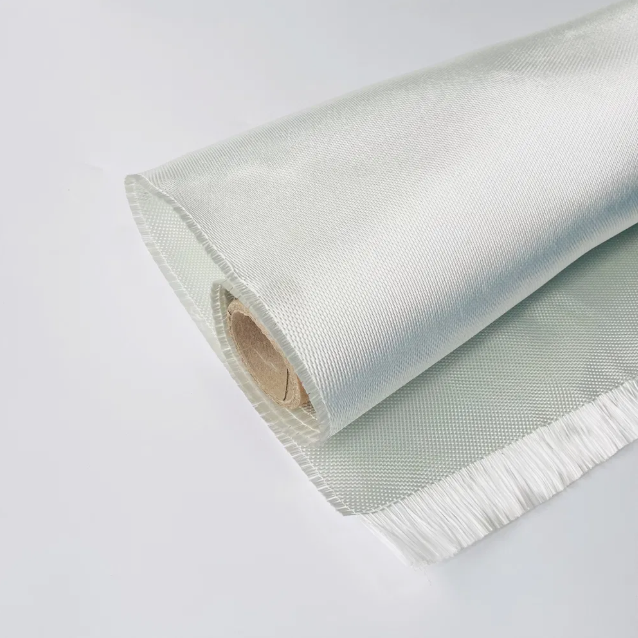
Fiberglass is produced by melting silica-based raw materials and drawing them into fine glass filaments. These filaments can then be processed into different reinforcement forms, including chopped strand mat, woven fiberglass cloth, fiberglass mesh, fiberglass tape, and coated fiberglass fabric.
In reinforcement systems, fiberglass is valued because it offers:
High tensile strength relative to weight
Good chemical and corrosion resistance
Thermal stability and non-combustibility
Compatibility with resin, coatings, cementitious systems, and composite structures
Good dimensional stability in demanding environments
The processing method largely determines whether the final product becomes fiberglass mat or fiberglass cloth.
What Is Fiberglass Mat?
Structure and Manufacturing Process
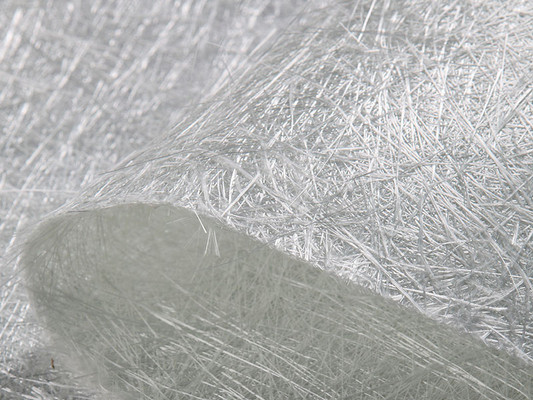
Fiberglass mat is a non-woven reinforcement material made from short fiberglass strands that are randomly distributed and bonded together by chemical binders or mechanical processes.
Because the fibers are randomly oriented, fiberglass mat provides multidirectional reinforcement. This means it can distribute stress in different directions rather than only along one specific fiber path.
Key Performance Characteristics of Fiberglass Mat
Good multidirectional reinforcement because of random fiber orientation
High resin absorption, making it suitable for thick laminates
Excellent conformability over curves, corners, and irregular surfaces
Moderate tensile strength compared with woven fiberglass fabric
Good thickness build-up for FRP and waterproofing systems
Fiberglass mat is usually supplied in rolls and specified by areal weight, commonly expressed in GSM.
Typical Applications of Fiberglass Mat
FRP laminates
Waterproofing reinforcement layers
Roofing membranes and repair systems
Marine repair and boat building
Composite thickness build-up layers
Insulation and sound-absorption composites
Fiberglass mat is especially useful when the surface geometry is complex or when the project requires uniform thickness and good resin saturation.
What Is Fiberglass Cloth?
Structure and Weaving Technology
Fiberglass cloth is a woven fiberglass fabric made from continuous fiberglass yarns. These yarns are interlaced through weaving patterns such as plain weave, twill weave, satin weave, or leno weave.
Because the fibers are continuous, fiberglass cloth creates a more direct load path. This gives it higher directional strength and better dimensional stability than fiberglass mat.
Key Performance Characteristics of Fiberglass Cloth
High tensile strength along the warp and weft directions
Excellent dimensional stability
Lower resin consumption compared with fiberglass mat
Smooth and uniform surface finish
Better performance for precision composite structures
The performance of fiberglass cloth depends on yarn type, weave style, fabric density, thickness, surface treatment, and finishing process.
Typical Applications of Fiberglass Cloth
Structural composite components
Marine, automotive, and aerospace parts
High-strength laminates
Electrical insulation layers
Fire-resistant and thermal protection fabrics
Coated fiberglass fabrics for industrial applications
Fiberglass cloth is usually preferred when strength, surface quality, weight control, and precise reinforcement are critical.
Fiberglass Mat vs Fiberglass Cloth: Key Differences
Structural Comparison
| Comparison Factor | Fiberglass Mat | Fiberglass Cloth |
| Manufacturing Method | Non-woven | Woven |
| Fiber Length | Short chopped fibers | Continuous yarns |
| Fiber Orientation | Random | Directional |
| Strength Direction | Multidirectional | Strongest along warp and weft |
| Surface Finish | Rougher surface | Smoother surface |
| Resin Consumption | Higher | Lower |
Mechanical Performance
Tensile strength: Fiberglass cloth generally offers higher tensile strength because it uses continuous fibers.
Load distribution: Fiberglass mat distributes stress more evenly across multiple directions.
Fatigue resistance: Fiberglass cloth usually performs better under repeated directional loads.
Thickness build-up: Fiberglass mat is better for adding bulk to laminates.
Flexibility and Conformability
Fiberglass mat conforms easily to curved, uneven, and irregular surfaces.
Fiberglass cloth may wrinkle on tight radii if not handled correctly.
Fiberglass mat is often easier for general repair and waterproofing work.
Fiberglass cloth is better when a controlled fiber direction is required.
Resin Compatibility and Consumption
Fiberglass mat absorbs more resin and creates thicker laminates.
Fiberglass cloth requires less resin and helps produce lighter composite parts.
Mat is commonly used with polyester and vinyl ester resin systems.
Cloth is widely used with epoxy, polyester, vinyl ester, and other resin systems.
How to Choose Between Fiberglass Mat and Fiberglass Cloth
Choose Fiberglass Mat When You Need
Complex shapes or uneven substrates
Waterproofing and roofing reinforcement
Thickness build-up in composite structures
Cost-sensitive reinforcement layers
Good resin absorption and easy wet-out
Multidirectional reinforcement
Choose Fiberglass Cloth When You Need
Structural load-bearing components
High tensile strength
Precision laminates
Smooth surface finish
Lightweight composite design
Dimensional stability and controlled reinforcement direction
Use Fiberglass Mat and Cloth Together for Better Performance
In many engineered systems, fiberglass mat and fiberglass cloth are used together to balance thickness, strength, flexibility, and surface quality.
Fiberglass mat layers provide bulk and multidirectional support.
Fiberglass cloth layers provide tensile strength and better surface finish.
The combination is common in FRP laminates, waterproofing membranes, marine repair, and industrial composite parts.
Performance Factors Engineers and Buyers Should Evaluate
Selecting fiberglass based only on thickness or price often leads to poor performance. Engineers and buyers should evaluate several technical factors before purchasing.
Areal weight, usually measured in GSM
Thickness and roll width
Tensile strength and elongation
Resin absorption rate
Binder type for fiberglass mat
Weave type for fiberglass cloth
Surface treatment and coating compatibility
Chemical, moisture, UV, and temperature exposure
Installation method and operator skill level
For long-term performance, the right fiberglass reinforcement should match the resin system, mechanical load, environmental exposure, and installation process.
Common Mistakes When Choosing Fiberglass Mat or Fiberglass Cloth
Using fiberglass mat where high tensile strength is required
Using fiberglass cloth on complex shapes without considering wrinkling
Ignoring resin compatibility
Choosing material only by price instead of performance
Overlooking environmental and chemical exposure
Ignoring GSM, thickness, and tensile testing data
Assuming all fiberglass suppliers provide the same quality
A low-cost fiberglass material may increase total project cost if it causes delamination, weak reinforcement, excessive resin use, or premature failure.
Fiberglass Mat or Fiberglass Cloth: Which Is Better?
There is no universally better option. The correct choice depends on mechanical requirements, surface geometry, resin system, installation method, and application environment.
| Buyer Requirement | Recommended Material |
| High tensile strength | Fiberglass cloth |
| Complex shape reinforcement | Fiberglass mat |
| Waterproofing reinforcement | Fiberglass mat |
| Smooth surface finish | Fiberglass cloth |
| Thickness build-up | Fiberglass mat |
| Lightweight composite structure | Fiberglass cloth |
| Balanced strength and thickness | Mat and cloth combined |
Fiberglass mat excels in flexibility, thickness build-up, and multidirectional reinforcement. Fiberglass cloth provides superior strength, precision, and surface finish.
Manufacturer Insight: Why Fiberglass Factory Quality Matters
From a manufacturing perspective, the performance gap between fiberglass mat and fiberglass cloth is not only determined by form. It is also affected by fiber quality, binder control, yarn stability, weaving accuracy, coating process, and finishing standards.
As a professional fiberglass material manufacturer, RUISHUN supports buyers with integrated production and quality control for industrial fiberglass materials.
RUISHUN Production and Quality Control Capabilities
Fiberglass yarn selection and weaving control
Binder formulation and fiber distribution optimization
Coating, heat treatment, and finishing processes
GSM, thickness, and tensile testing
Custom fiberglass fabric solutions for OEM projects
Why Factory-Level Control Matters
In real-world projects, inconsistent fiberglass quality can cause:
By controlling fiber alignment, mat density, fabric weave stability, and finishing quality, RUISHUN helps ensure consistent performance across construction, waterproofing, FRP, thermal insulation, and industrial protection applications.
Typical Factory-Supported Applications
Waterproofing membranes and reinforcement layers
Industrial FRP laminates
Fire-resistant and thermal insulation systems
Custom fiberglass fabrics for OEM projects
Coated fiberglass fabric for heat-resistant applications
Fiberglass cloth for insulation, protection, and composite reinforcement
For engineers and buyers, working directly with a factory-oriented supplier can reduce technical risk, improve cost efficiency, and ensure long-term material reliability.
Need Help Choosing Fiberglass Mat or Fiberglass Cloth?
If you are comparing fiberglass mat and fiberglass cloth for waterproofing, FRP, roofing, construction, marine repair, thermal insulation, or OEM composite production, RUISHUN can help you select the right material based on your application.
Contact RUISHUN to Get
Fiberglass material recommendations
Product specifications and technical data
GSM, thickness, and width options
Samples for testing
Custom fiberglass fabric solutions
Export quotation for your market
Contact RUISHUN today to choose the right fiberglass reinforcement material for your project.
Fiberglass Mat vs Fiberglass Cloth FAQ
Is fiberglass mat stronger than fiberglass cloth?
No. Fiberglass cloth is generally stronger in tensile applications because it is made from continuous woven fibers. Fiberglass mat provides better multidirectional reinforcement but usually has lower tensile strength.
Can fiberglass mat and fiberglass cloth be used together?
Yes. Combining fiberglass mat and fiberglass cloth is common in composite and waterproofing systems. Mat provides bulk and multidirectional support, while cloth provides strength and surface quality.
Which is better for waterproofing applications?
Fiberglass mat is more commonly used for waterproofing reinforcement because it offers good flexibility, resin absorption, and conformity to uneven surfaces. Fiberglass cloth may be used in areas requiring higher tensile strength.
Which material uses more resin?
Fiberglass mat usually absorbs more resin than fiberglass cloth. This makes it useful for thicker laminates but may increase resin consumption and total material weight.
Which is better for structural composite parts?
Fiberglass cloth is usually better for structural composite parts because it offers higher directional tensile strength, better dimensional stability, and a smoother finish.
How do I choose a reliable fiberglass supplier?
Buyers should evaluate factory production capability, quality control standards, testing data, material consistency, customization ability, and application experience. Manufacturers like RUISHUN provide more consistent and application-ready fiberglass solutions through integrated production and inspection systems.

 English
 العربية
 Français
 Русский
 Español
 Português
 Deutsch
 italiano
 日本語
日本語 한국어
한국어 Nederlands
 Tiếng Việt
 ไทย
ไทย Polski
 Türkçe
 Bahasa Melayu
 Filipino
 Bahasa Indonesia
 magyar
 Română
 Čeština
 қазақ
қазақ Српски
 हिन्दी
 فارسی
فارسی Kiswahili
 Slovenčina
 Slovenščina
 Norsk
Norsk Svenska
 українська
 Ελληνικά
 Suomi
Suomi Հայերեն
 עברית
עברית Latine
 Dansk
Dansk اردو
اردو Shqip
Shqip বাংলা
বাংলা Hrvatski
 Afrikaans
 Eesti keel
 සිංහල
සිංහල Oʻzbekcha
 latviešu
 Azərbaycan dili
 Беларуская мова
 Български
 Lietuvių
 Македонски


