What Global Buyers Should Know Before Placing Fiberglass Orders in 2026
If you are sourcing fiberglass materials in 2026, you may have noticed a clear market trend: fiberglass prices are rising across multiple product categories, including fiberglass fabric, chopped strand mat, silicone coated fiberglass fabric, PTFE coated fiberglass fabric, welding blankets, fire blankets, and other high-temperature industrial textiles.
For procurement managers, distributors, OEM manufacturers, insulation contractors, and industrial safety buyers, this creates one important question:
Are fiberglass price increases temporary, or are they part of a long-term market shift?
Based on current supply chain pressure, energy costs, environmental compliance, and growing global demand, the answer is clear: fiberglass prices are being driven upward by structural factors rather than short-term fluctuations.
As a direct fiberglass fabric manufacturer and exporter, RUISHUN helps global buyers maintain stable supply, control procurement costs, and select the right fiberglass materials for industrial applications.
Raw Material Costs Are Pushing Fiberglass Prices Higher
Fiberglass production depends on several key raw materials. When these upstream materials become more expensive or less available, the cost of finished fiberglass products also increases.
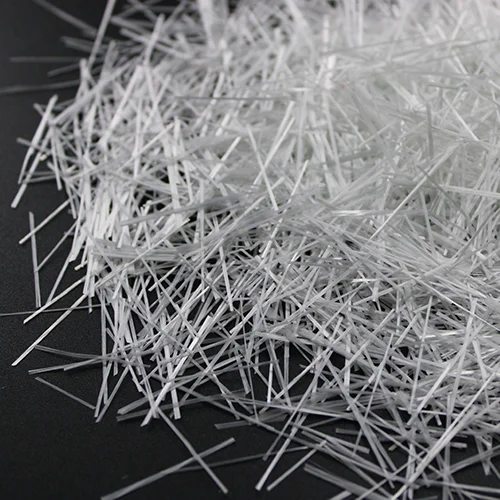
Main Raw Materials Used in Fiberglass Production
Silica sand / quartz
Limestone
Alumina
Boron-related materials
Resin systems for coated fiberglass products
Silicone, PTFE, PU, acrylic, or vermiculite coating materials
Why Raw Material Costs Are Rising
Environmental restrictions are affecting quartz mining and mineral supply.
Petrochemical price fluctuations are increasing resin and coating costs.
Supply chain instability is affecting bulk mineral availability.
Higher demand for high-performance fiberglass materials is increasing pressure on upstream resources.
Result: Higher raw material costs directly increase the price of fiberglass fabric, coated fiberglass cloth, fireproof fabrics, and composite reinforcement materials.
RUISHUN Insight: RUISHUN maintains long-term cooperation with stable raw material suppliers, helping reduce price volatility and support more consistent pricing for international buyers.
2. Energy Costs Remain a Major Pressure on Fiberglass Manufacturing
Fiberglass manufacturing requires continuous high-temperature melting, often above 1500°C. This makes fiberglass production highly energy-intensive.
Key Energy-Related Cost Factors
Natural gas and electricity costs remain high in many regions.
Carbon emission policies are increasing industrial production costs.
Energy supply fluctuations affect production stability.
High-temperature furnaces require continuous operation, increasing fixed production costs.
Result: The production cost per ton of fiberglass increases significantly, especially for woven fiberglass fabric and high-performance coated fiberglass textiles.
RUISHUN Advantage: RUISHUN uses optimized production lines and efficient processing systems to help reduce unnecessary energy waste and provide more competitive factory-direct pricing.
3. Environmental Regulations Are Increasing Fiberglass Production Costs
Environmental compliance has become a major cost factor in the fiberglass industry. Manufacturers must invest in cleaner production, emission control, waste gas treatment, and safer workplace systems.
How Environmental Regulations Affect Fiberglass Prices
Higher investment in emission control systems
Upgrades to waste gas and dust treatment equipment
Higher compliance, testing, and certification costs
Reduced production from factories that cannot meet environmental standards
Result: Environmental compliance increases operational costs, which are gradually reflected in fiberglass product pricing.
RUISHUN Commitment: RUISHUN focuses on reliable, compliant, and cost-efficient production, helping buyers receive stable-quality fiberglass materials without unnecessary price inflation.
4. Fiberglass Supply Shortages Are Becoming More Common
In 2026, global fiberglass buyers are facing tighter supply conditions. This is especially true for standard fiberglass fabric, industrial insulation fabric, fireproof fabric, and customized coated fiberglass materials.
Main Causes of Fiberglass Supply Tightness
Some manufacturers are shifting capacity toward high-end fiberglass products.
Output of low-margin standard fiberglass materials is decreasing.
Demand from construction, wind energy, automotive, electronics, and industrial insulation is increasing.
Longer production lead times are affecting urgent orders.
Result: Supply-demand imbalance drives fiberglass prices upward and makes stable suppliers more important for global buyers.
Why Global Buyers Choose RUISHUN
Stable production capacity
Flexible order quantities
Reliable delivery schedules
Support for customized specifications
Direct factory communication
RUISHUN helps customers reduce the risk of supply disruptions, delayed shipments, and unexpected price spikes.
5. Global Demand for Fiberglass Materials Continues to Grow
Fiberglass is widely used because it offers excellent strength, heat resistance, dimensional stability, electrical insulation, and corrosion resistance. As more industries upgrade materials, fiberglass demand continues to grow.
Key Industries Driving Fiberglass Demand
Construction and infrastructure: insulation, reinforcement, fire protection, and building materials
Wind energy: turbine blades and composite reinforcement
Automotive lightweighting: composite parts and thermal protection
Electronics: PCB materials and electrical insulation fabrics
Industrial safety: welding blankets, fire blankets, removable insulation covers, and heat shields
Result: Demand growth is outpacing supply growth in several fiberglass segments, supporting stronger market pricing.
RUISHUN Application Coverage
Industrial insulation
Fire protection systems
Welding safety applications
Composite manufacturing
High-temperature sealing and protection
Flexible connectors and removable insulation jackets
By supplying multiple fiberglass product categories, RUISHUN helps buyers respond quickly to changing industrial demand.
6. Logistics and Global Trade Costs Add More Pressure
Even when factory prices remain stable, international buyers still need to consider total landed cost. Freight, port handling, currency exchange, and customs-related costs can all affect the final purchasing price.
Main Logistics Challenges for Fiberglass Buyers
Ocean freight rate fluctuations
Port congestion and shipping delays
Currency exchange risks
Higher packaging and handling requirements for export orders
Different import duties and documentation requirements by country
Result: The total landed cost of fiberglass materials can increase even when the base product price changes only slightly.
How RUISHUN Supports International Buyers
Optimized export packaging
Experience supplying customers in 50+ countries
Flexible trade terms including FOB, CIF, and DDP
Support with technical documents and export paperwork
Practical shipping recommendations based on order volume
RUISHUN helps customers reduce total procurement cost, not just compare unit prices.
7. Industry Consolidation Strengthens Fiberglass Pricing Power
The fiberglass industry is increasingly influenced by large-scale manufacturers and integrated suppliers. This affects production planning, available capacity, and pricing stability.
How Industry Consolidation Affects Buyers
Large manufacturers can better control production capacity.
Price competition becomes less aggressive.
Standard low-price products may become less available.
Market pricing becomes more stable but less likely to drop sharply.
Result: Fiberglass prices are less likely to return to previous low levels, especially for industrial-grade and high-performance materials.
RUISHUN Positioning: As a flexible and export-focused fiberglass manufacturer, RUISHUN bridges the gap between large-scale production and customized buyer requirements.
8. The Market Is Shifting Toward High-Performance Fiberglass Products
Many manufacturers are moving from low-cost standard fiberglass products to higher-value materials with stronger performance. This shift also contributes to higher average market prices.
High-Performance Fiberglass Products in Demand
High-strength fiberglass fabric
High silica fabric
Silicone coated fiberglass fabric
PTFE coated fiberglass fabric
PU coated fiberglass fabric
Vermiculite coated fiberglass fabric
Fire blankets and welding blankets
Removable insulation covers and flexible connectors
Result: Lower-cost standard products may become less available, while demand for premium fiberglass fabrics continues to increase.
RUISHUN Core Fiberglass Products
Silicone coated fiberglass fabric
High silica fabric
Fiberglass fire blankets
Fiberglass welding blankets
Industrial heat-resistant textiles
Fiberglass flexible connectors
Removable insulation sleeves and jackets
These products are designed for high-temperature, fire-resistant, insulation, and industrial protection applications where long-term performance matters more than the lowest initial price.
9. What Fiberglass Price Increases Mean for Global Buyers in 2026
The rise in fiberglass prices is not only a temporary market reaction. It reflects a long-term transformation of the fiberglass supply chain, including higher raw material costs, stricter environmental requirements, stronger demand, and more pressure on production capacity.
Key Takeaways for Buyers
Fiberglass costs are rising across the supply chain.
Demand remains strong in construction, energy, electronics, automotive, and industrial safety.
Supply remains relatively tight for some product categories.
Prices are expected to stay firm or increase moderately.
Working with a direct fiberglass manufacturer can reduce procurement risk.
For B2B buyers, the most practical strategy is to secure stable supply, confirm specifications early, and work with a supplier that can provide consistent quality and reliable delivery.
10. How RUISHUN Helps Buyers Stay Competitive
In a rising price environment, supplier selection becomes more important than ever. Choosing the right fiberglass supplier can help reduce risk, control cost, and improve long-term purchasing stability.
With RUISHUN, Buyers Get
Stable supply and consistent quality
Competitive factory-direct pricing
Fast response for quotation and technical questions
Flexible customization for different applications
Global export experience
Reliable production and delivery timelines
RUISHUN does not only supply fiberglass materials. We help global buyers reduce procurement risk, improve supply stability, and control total purchasing costs.
Looking for a Reliable Fiberglass Fabric Supplier in 2026?
If you are looking for a reliable fiberglass fabric supplier, coated fiberglass fabric manufacturer, fire blanket supplier, welding blanket manufacturer, or industrial heat-resistant textile exporter, RUISHUN can support your sourcing needs.
Contact RUISHUN to Get
Latest fiberglass product price list
Free samples for evaluation
Technical recommendations
Custom fiberglass fabric solutions
Export quotation based on your destination market
Contact RUISHUN today to secure stable fiberglass supply and control costs in a rising market.
Fiberglass Price FAQ
Q1: Why are fiberglass prices rising in 2026?
Fiberglass prices are rising due to higher raw material costs, energy costs, environmental compliance expenses, tight supply, strong industrial demand, and global logistics pressure.
Q2: Are fiberglass prices expected to keep rising?
Fiberglass prices are expected to remain firm and may increase moderately, especially for high-performance fiberglass fabric, coated fiberglass cloth, fireproof fabric, and industrial insulation materials.
Q3: How can buyers reduce fiberglass procurement costs?
Buyers can reduce costs by working with direct manufacturers like RUISHUN, confirming specifications early, optimizing material selection, ordering in stable quantities, and planning shipments in advance.
Q4: Which fiberglass products are most affected by price increases?
High-performance fiberglass products are often more affected, including silicone coated fiberglass fabric, PTFE coated fiberglass fabric, high silica fabric, welding blankets, fire blankets, and industrial heat-resistant textiles.
Q5: Why choose RUISHUN instead of a trading company?
RUISHUN offers factory-direct pricing, stable production, technical support, product customization, and export experience, helping buyers receive better value and more reliable supply than many general trading companies.
Q6: Can RUISHUN provide customized fiberglass materials?
Yes. RUISHUN can provide customized fiberglass fabric, coated fiberglass fabric, fireproof textiles, welding blankets, insulation sleeves, and other heat-resistant solutions based on application, temperature requirement, coating type, thickness, weight, and size.

 English
 العربية
 Français
 Русский
 Español
 Português
 Deutsch
 italiano
 日本語
日本語 한국어
한국어 Nederlands
 Tiếng Việt
 ไทย
ไทย Polski
 Türkçe
 Bahasa Melayu
 Filipino
 Bahasa Indonesia
 magyar
 Română
 Čeština
 қазақ
қазақ Српски
 हिन्दी
 فارسی
فارسی Kiswahili
 Slovenčina
 Slovenščina
 Norsk
Norsk Svenska
 українська
 Ελληνικά
 Suomi
Suomi Հայերեն
 עברית
עברית Latine
 Dansk
Dansk اردو
اردو Shqip
Shqip বাংলা
বাংলা Hrvatski
 Afrikaans
 Eesti keel
 සිංහල
සිංහල Oʻzbekcha
 latviešu
 Azərbaycan dili
 Беларуская мова
 Български
 Lietuvių
 Македонски


