Quartz Fiber Fabric: High Temperature Resistant Fireproof Fabric for Extreme Industrial Applications
In high-temperature industrial environments, choosing the right thermal protection material is critical for safety, equipment reliability, and long-term operating cost. When standard fiberglass fabric or high silica fabric reaches its performance limit, quartz fiber fabric becomes a stronger solution for extreme heat insulation and fire protection.
With high SiO₂ purity, excellent heat resistance, low thermal expansion, and outstanding electrical insulation properties, quartz fiber fabric is widely used as a premium high temperature resistant fabric in aerospace, metallurgy, semiconductor, electrical insulation, fire protection, and advanced industrial insulation systems.
This guide explains what quartz fiber fabric is, how it compares with fiberglass fabric and high silica fabric, where it is used, what technical specifications buyers should check, and how to choose a reliable quartz fiber fabric manufacturer.
What Is Quartz Fiber Fabric?
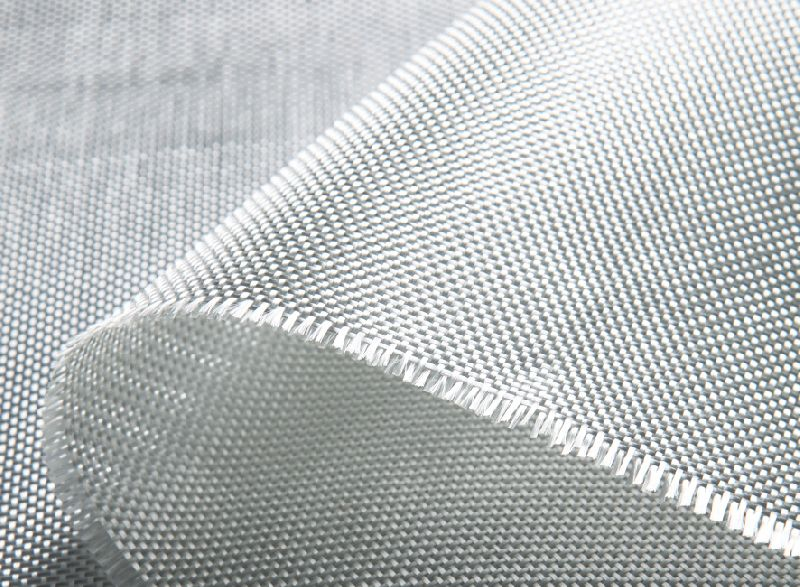
Definition of Quartz Fiber Fabric
Quartz fiber fabric is a woven textile made from high-purity quartz fibers containing more than 99% SiO₂. Unlike conventional fiberglass fabric, quartz fiber fabric is engineered for extreme thermal environments where higher heat resistance, better insulation stability, and lower thermal expansion are required.
Quartz fibers are produced from high-purity quartz raw materials that are melted at ultra-high temperatures and drawn into continuous filaments. These filaments are then twisted into yarn and woven into quartz fiber cloth with controlled thickness, weight, and weave structure.
Because of its high silica purity and stable fiber structure, quartz fiber fabric is classified as a premium fireproof fabric and high temperature insulation fabric for applications where ordinary fiberglass materials cannot provide enough safety margin.
Why Quartz Fiber Fabric Is Different from Fiberglass Fabric
Many buyers search for “quartz fiber fabric vs fiberglass fabric” because both materials are glass-based textiles. However, quartz fiber fabric has much higher SiO₂ content, better high-temperature stability, lower thermal expansion, and stronger dielectric performance.
| Property | Fiberglass Fabric | High Silica Fabric | Quartz Fiber Fabric |
| SiO₂ Content | 50–70% | About 96% | 99%+ |
| Continuous Working Temperature | 550–650°C | About 800°C | 800–1000°C |
| Short-Term Temperature Resistance | About 700°C | About 1000°C | Up to 1200°C+ |
| Thermal Expansion | Moderate | Low | Extremely low |
| Electrical Insulation | Good | Very good | Excellent |
| Typical Cost Level | Low | Medium | High |
Quartz fiber fabric is not always the lowest-cost option, but it provides a much higher safety margin in ultra-high-temperature applications.
Key Properties of Quartz Fiber Fabric
Understanding the technical advantages of quartz fiber fabric helps buyers choose the correct high-temperature insulation material for demanding environments.
Extreme High Temperature Resistance
One of the most important purchasing questions is: what temperature can quartz fiber fabric withstand?
Typical quartz fiber fabric temperature performance includes:
Continuous operating temperature: 800–1000°C
Short-term exposure temperature: up to 1200°C
Melting point of quartz fiber: approximately 1700°C
This makes quartz fiber fabric suitable for thermal shock environments where a heat-resistant fabric must maintain shape, insulation performance, and structural integrity.
Low Thermal Conductivity
Quartz fiber fabric provides effective thermal insulation by reducing heat transfer. In furnace systems, aerospace insulation blankets, high-temperature covers, and fire barriers, it acts as a reliable thermal protection layer.
Outstanding Electrical Insulation
Because of its high purity, quartz fiber fabric offers excellent dielectric properties. It is suitable for applications that require thermal resistance and electrical insulation at the same time.
Semiconductor manufacturing
Electrical insulation wraps
High-frequency communication systems
High-temperature electrical protection layers
Chemical Stability and Corrosion Resistance
Quartz fiber fabric is resistant to many acids and aggressive industrial environments. Compared with some standard fiberglass materials, it provides better long-term durability in applications involving heat, chemicals, and corrosion exposure.
Low Thermal Expansion
Quartz fibers have an extremely low thermal expansion coefficient. This helps prevent cracking, distortion, shrinkage, or dimensional instability when the fabric is exposed to rapid temperature changes.
Applications of Quartz Fiber Fabric
Quartz fiber fabric is a premium fireproof fabric used in mission-critical applications where standard heat-resistant textiles may fail.
Aerospace and Aviation Thermal Protection
In aerospace and aviation applications, quartz fiber fabric is used where lightweight thermal insulation and extreme temperature resistance are required.
Rocket engine insulation
Heat shields
Aircraft fire protection systems
Thermal protection blankets
High-temperature composite reinforcement
The ability of quartz fiber fabric to withstand extreme heat while maintaining structural stability makes it valuable in advanced thermal protection systems.
Industrial Furnace and Metallurgy Insulation
Steel mills, glass factories, foundries, and heat-treatment plants often operate under extreme temperature conditions. Quartz fiber fabric can be used as:
Furnace curtain material
High-temperature gasket wrap
Protective insulation lining
Thermal barrier fabric
Removable insulation cover material
Fire Protection and Welding Safety Systems
Quartz fiber fabric is used in fire protection systems that require higher safety margins than standard fireproof fabric.
Compared with ordinary fiberglass fireproof fabric, quartz fiber fabric provides better heat resistance and improved thermal stability.
Semiconductor and Electronics Industry
In semiconductor and electronics manufacturing, material purity is important. Quartz fiber fabric helps reduce contamination risk while providing thermal insulation and dielectric protection.
Semiconductor process insulation
High-purity thermal protection layers
Electrical insulation components
High-frequency communication insulation systems
Quartz Fiber Fabric Manufacturing Process
Producing high-quality quartz fiber fabric requires advanced raw material control, melting technology, fiber drawing, yarn processing, weaving, and finishing capability.
Raw Quartz Selection
High-purity quartz raw material is selected to ensure stable SiO₂ content, low impurity levels, and consistent thermal performance.
High-Temperature Melting
Quartz raw material is melted at ultra-high temperatures to form a stable molten material suitable for fiber drawing.
Fiber Drawing
The molten quartz is drawn into fine continuous filaments. Fiber diameter consistency directly affects fabric strength, flexibility, and insulation performance.
Yarn Twisting and Weaving
Quartz fibers are twisted into yarn and woven into fabric using controlled weave structures such as plain weave, twill weave, or satin weave.
Surface Coating and Finishing Options
Depending on the application, quartz fiber fabric can be finished or coated to improve waterproofing, abrasion resistance, flexibility, or fire performance.
Silicone coating for waterproofing and flexibility
Vermiculite coating for enhanced fire resistance
PU coating for abrasion resistance
Custom surface treatment for special industrial use
Manufacturers such as RUISHUN integrate weaving, coating, and finishing processes to support consistent industrial-grade quartz fiber fabric production.
Technical Specifications of Quartz Fiber Fabric
Before purchasing quartz fiber fabric, buyers should review technical specifications such as thickness, weight, weave type, temperature resistance, roll size, coating option, and testing requirements.
| Specification Item | Typical Range / Option |
| Material | High-purity quartz fiber |
| SiO₂ Content | 99%+ |
| Thickness | 0.2mm – 1.5mm |
| Weight | 200gsm – 1000gsm |
| Weave Type | Plain / Twill / Satin |
| Continuous Working Temperature | 800–1000°C |
| Short-Term Temperature Resistance | Up to 1200°C |
| Coating Options | Silicone / PU / Vermiculite / Custom finish |
| Typical Applications | Aerospace, furnace insulation, fire protection, semiconductor, electrical insulation |
Custom quartz fiber fabric specifications can be developed for aerospace, semiconductor, metallurgy, electrical insulation, and industrial thermal protection projects.
Quartz Fiber Fabric vs High Silica Fabric
Another common buyer question is: what is the difference between quartz fiber fabric and high silica fabric?
High silica fabric usually contains about 96% SiO₂ and performs well in many high-temperature insulation applications. Quartz fiber fabric contains 99%+ SiO₂ and provides higher temperature resistance, better dielectric performance, lower thermal expansion, and improved dimensional stability.
Choose Quartz Fiber Fabric When You Need
Higher continuous working temperature
Better dielectric properties
Lower thermal expansion
Greater structural stability under thermal shock
Higher purity for sensitive industrial environments
For ultra-extreme environments, quartz fiber fabric is the superior high-temperature resistant fabric. For cost-sensitive medium-to-high temperature insulation, high silica fabric may be sufficient.
How to Choose a Quartz Fiber Fabric Manufacturer
When sourcing quartz fiber fabric from China or other global suppliers, buyers should evaluate more than price. A reliable quartz fiber fabric manufacturer should provide stable quality, technical documentation, customization ability, and export support.
Check Quality Certifications and Test Reports
ISO 9001 quality management
SGS or third-party testing reports
Fire resistance test reports
Temperature resistance test data
Relevant EN, ASTM, or customer-specific standards
Evaluate Integrated Production Capability
Factories that integrate weaving, coating, finishing, and inspection can usually provide better quality consistency than suppliers that only trade finished goods.
Confirm Customization Capability
Industrial projects often require customized quartz fiber fabric thickness, width, weight, weave type, coating, roll length, or finished part size. Buyers should confirm whether the supplier can support custom production.
Review Export Experience
Experienced exporters understand packaging, documentation, international shipping, compliance requirements, and communication standards for global industrial buyers.
Why Choose RUISHUN Quartz Fiber Fabric
RUISHUN is a factory-focused supplier specializing in high-temperature resistant fabric, fireproof fabric, coated fiberglass fabric, high silica fabric, and quartz fiber fabric solutions for industrial buyers.
RUISHUN Advantages
Integrated weaving and coating capability
Strict quality inspection for thickness, weight, and fabric appearance
Custom industrial specifications available
Stable export supply for global buyers
Competitive factory-direct pricing
Technical support for high-temperature insulation applications
For industries requiring reliable quartz fiber fabric supply, working directly with a factory-oriented manufacturer can reduce sourcing risk, improve technical control, and support long-term supply stability.
Market Trends for Quartz Fiber Fabric from 2026 to 2030
Global demand for quartz fiber fabric is expected to grow as industries require higher performance thermal protection, stricter fire safety systems, and more stable high-temperature insulation materials.
Main Demand Drivers
Stricter global fire safety regulations
Expansion of aerospace and aviation applications
Growth in semiconductor manufacturing
Renewable energy and advanced industrial systems
Rising demand for industrial heat management solutions
Higher performance requirements in metallurgy, furnaces, and electrical insulation
As global industries upgrade from standard heat-resistant textiles to advanced thermal insulation fabrics, quartz fiber fabric is becoming more important in high-value industrial applications.
Conclusion: Quartz Fiber Fabric for Extreme Heat and Fire Protection
Quartz fiber fabric represents one of the highest-performance categories of high-temperature resistant fabric in the industrial textile market.
With excellent thermal resistance, superior dielectric properties, chemical stability, low thermal expansion, and high SiO₂ purity, quartz fiber fabric outperforms ordinary fiberglass fabric and high silica fabric in extreme environments.
When sourcing quartz fiber fabric, choosing an experienced factory-direct manufacturer such as RUISHUN helps ensure product reliability, technical customization, consistent quality, and global supply stability.
Need Quartz Fiber Fabric for High-Temperature Applications?
If you need quartz fiber fabric for aerospace insulation, furnace protection, fire barriers, welding safety, semiconductor insulation, electrical protection, or custom industrial thermal systems, RUISHUN can provide technical support and customized product solutions.
Contact RUISHUN to Get
Quartz fiber fabric specifications
Temperature resistance recommendations
Custom thickness, weight, width, and coating options
Sample support for testing
Factory-direct export quotation
Contact RUISHUN today to select the right quartz fiber fabric for your high-temperature application.
Quartz Fiber Fabric FAQ
What temperature can quartz fiber fabric withstand?
Quartz fiber fabric typically withstands continuous temperatures of 800–1000°C and short-term exposure up to 1200°C, depending on thickness, weave type, coating, and application conditions.
Is quartz fiber fabric better than fiberglass fabric?
Yes, for extreme heat applications. Quartz fiber fabric offers higher temperature resistance, lower thermal expansion, better dielectric properties, and higher SiO₂ purity than standard fiberglass fabric.
What is the difference between quartz fiber fabric and high silica fabric?
High silica fabric usually contains about 96% SiO₂ and is commonly used up to around 800°C. Quartz fiber fabric contains more than 99% SiO₂ and provides higher temperature resistance, better electrical insulation, and lower thermal expansion.
Can quartz fiber fabric be coated?
Yes. Quartz fiber fabric can be coated with silicone, PU, vermiculite, or other finishes to improve waterproofing, abrasion resistance, flexibility, fire resistance, or application-specific performance.
What industries use quartz fiber fabric?
Quartz fiber fabric is used in aerospace, metallurgy, semiconductor manufacturing, electrical insulation, fire protection, industrial furnace insulation, welding safety, and advanced thermal protection systems.
How do I choose a reliable quartz fiber fabric manufacturer?
Choose a manufacturer with stable production capability, quality control systems, test reports, customization experience, export support, and technical knowledge of high-temperature insulation applications. RUISHUN provides factory-direct quartz fiber fabric solutions for global industrial buyers.

 English
 العربية
 Français
 Русский
 Español
 Português
 Deutsch
 italiano
 日本語
日本語 한국어
한국어 Nederlands
 Tiếng Việt
 ไทย
ไทย Polski
 Türkçe
 Bahasa Melayu
 Filipino
 Bahasa Indonesia
 magyar
 Română
 Čeština
 қазақ
қазақ Српски
 हिन्दी
 فارسی
فارسی Kiswahili
 Slovenčina
 Slovenščina
 Norsk
Norsk Svenska
 українська
 Ελληνικά
 Suomi
Suomi Հայերեն
 עברית
עברית Latine
 Dansk
Dansk اردو
اردو Shqip
Shqip বাংলা
বাংলা Hrvatski
 Afrikaans
 Eesti keel
 සිංහල
සිංහල Oʻzbekcha
 latviešu
 Azərbaycan dili
 Беларуская мова
 Български
 Lietuvių
 Македонски


